
Commercial Roofing in Elmora, Elizabeth, NJ
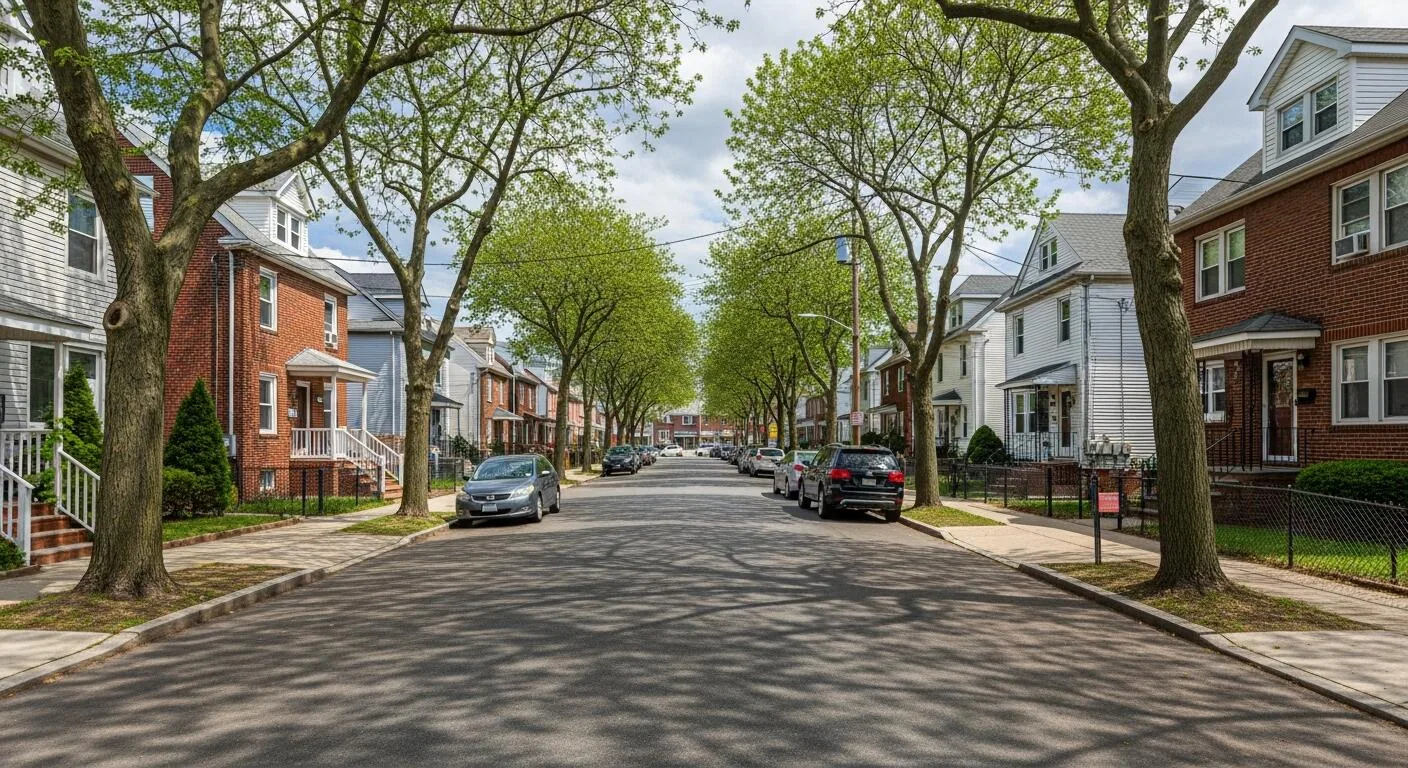
A membrane termination can look settled until a change in temperature opens the lap at a parapet. Elmora is an established neighborhood in Elizabeth, where property use and roof configuration vary from parcel to parcel. We inspect the assembly in front of us, follow water toward each outlet, and note the edge or penetration that needs attention. Elizabeth continues investing in commercial buildings and business districts, but the right roof scope still depends on visible conditions at the building. We begin with a commercial roof inspection and mark the repair boundary before comparing patch, recover, and replacement options. Elmora, Elizabeth, NJ is within our service area.
Check the Membrane and Its Edges
Temperature changes can pull at a seam where the membrane turns up a wall or meets a metal edge. We look for a lifted lap, a weak termination, loose coping, and fasteners that have moved. At each curb, the flashing must connect the field to the equipment support without leaving an exposed gap. Older patches can hide the path of a recurring leak, so we identify their material and inspect the surrounding surface before applying another layer. If the assembly changes between roof zones, the repair detail has to respect that transition.
Elmora is a neighborhood, not a single building type. We do not assume a roof configuration from the area name. The inspection records what the property actually has, including membrane, perimeter, insulation conditions where accessible, penetrations, and drainage. Photos help tie each finding to a location on the roof plan. If moisture appears below the surface or an attachment condition is uncertain, we explain what a closer opening could resolve before that work is authorized.
Trace a Leak to the Roof Detail
An indoor stain can lead the eye to the wrong roof bay. Water may move along the deck or through insulation before it reaches a ceiling, especially when a seam, curb, or drain changes the path. We compare the interior location with the roof above and mark likely entry points. A temporary measure can limit further exposure while the area is evaluated. A permanent roof repair should close the failed transition and tie into material that remains sound.
Regional hazards include damaging winds, hail, tornadoes, and flash flooding. Those conditions are a reason to inspect a property after an event, not evidence that every roof nearby has damage. We look at edge metal, seams, penetrations, drains, and the underside of the assembly where accessible. The report separates observed damage from details that need a closer test, giving the owner a scope that follows the actual condition rather than the storm description.
Set a Work Area That Fits the Property
Before opening a roof, we confirm where the crew can enter, how materials reach the work zone, and what lies beneath the repair. An occupied business may need a protected path below and a smaller daily work area. We identify the hatch or lift position, overhead conflicts, and the route for debris. If another trade needs roof access, we mark a safe path around fresh flashing and tie-ins. These details shape the sequence and prevent a local repair from disrupting more of the property than necessary.
A delivery plan should match the building entrance, loading limits, and times the property can accept movement. We speak with the property contact about restrictions before setting a crew schedule. If weather threatens an exposed section, the team needs a defined closeout point and materials ready to cover the opening. The proposal notes which access assumptions affect the price and timing. A roof can be technically ready for work while the site still needs coordination to keep people, equipment, and materials separated.
Compare Repair and Replacement
A patch can be enough when the failure is limited and the membrane around it remains attached. Repeated repairs, soft insulation, or loose attachment may justify comparing a wider scope. A recover is possible only when the existing assembly is dry, stable, and compatible with another layer. If removal is needed, we inspect the deck, correct insulation issues, and rebuild the perimeter and penetrations as part of the replacement. We can review an EPDM assembly or modified bitumen system when those options suit the roof design.
Cost and timing vary with the affected area, tear-off depth, insulation and cover board, equipment moves, disposal, staging, and protection for occupied rooms. A coating can extend a suitable surface but cannot correct wet layers or failed seams beneath it. We describe what the proposed work changes, what it leaves in place, and which hidden conditions could alter the scope. If a building has more than one roofing assembly, each should be reviewed on its own rather than blended into one broad allowance.
Keep Water Moving to the Outlet
A drain that accepts water at the surface may still be slow below the roof. We check the strainer, bowl, sump, slope, and the membrane tie-in. At a scupper, the metal and wall flashing have to carry water through the opening without returning it toward the building. Ponding, sediment, or a mark at the parapet can help locate a problem, but the slope and outlet need to be checked together. A drain and scupper review can identify whether cleaning, flashing work, or a larger correction fits.
Across Elizabeth, flood and storm-surge concerns include low-lying areas along the Elizabeth River. That citywide information makes discharge worth considering, while the actual roof elevation and site conditions determine the necessary work. We document outlets, overflow paths, and any area where water moves toward a wall. A roof-level correction may not solve a site drainage issue below, so the proposal separates those scopes and identifies where coordination is needed.
Leave a Clear Roof History
Closeout photographs should show the repaired seam or curb with enough surrounding material to place it on the roof. We note the system where it can be identified, mark the repair zone, and list any condition left open for later attention. A drone survey can help record broad conditions when access is difficult, while hands-on review remains important at a seam or drain detail. A written record gives the property team a useful comparison for the next visit.
Routine maintenance can check terminations, remove ordinary debris, and follow the same outlet path after seasonal weather. The interval depends on the roof surface, equipment activity, surrounding conditions, and prior repairs. We set a preventive maintenance visit around the details that need follow-up rather than treating every roof as identical. If water enters outside normal hours, our emergency roof response is available around the clock, holidays included, to protect the interior and document the remaining work. We also inspect roofs in Midtown Elizabeth and Elizabeth Riverfront, with each assembly evaluated on its own condition.
Commercial Roofing Questions
Does Elmora have one typical type of commercial roof?
No. Property use and roof configuration vary by parcel. We inspect the assembly, drainage, edges, and penetrations at the building before recommending a repair or replacement scope.
What should I do when a leak returns after a patch?
Share where water appears and when it returns. We compare that location with roof seams, curbs, drains, and prior repairs, then determine whether the original boundary missed a second path or concealed moisture.
Can a coating fix a roof with wet insulation?
A coating is not a correction for wet layers beneath the surface. We check the substrate and seams first, then compare repair, recover, or removal when the assembly supports those choices.
How do you plan roofing above an active business?
We coordinate access, interior protection, delivery movement, and the section that can be opened. The work sequence includes a weather closeout point and a clear route for occupants and other trades.
Is emergency roof service available overnight?
Yes. Our crew responds around the clock, including holidays, to limit active water entry and protect affected areas. We document temporary measures and identify permanent work after inspection.
Arrange an Elmora Roof Inspection
Share the property use, roof access limits, and leak or repair history. We will inspect the assembly and outline a scope tied to visible conditions.